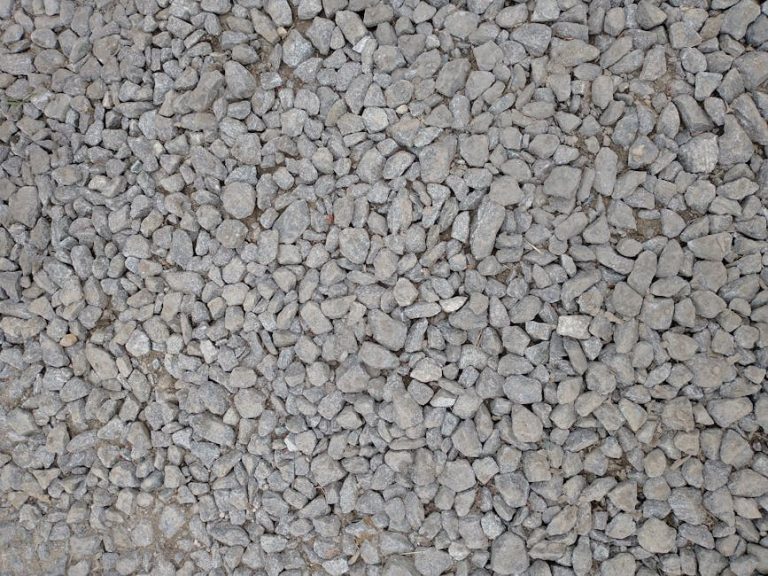
Topsoil vs Fill Dirt: What’s the Difference (and When to Use Each)?
If you have ever ordered dirt, you have probably hit this confusion: the supplier asks whether you want topsoil or fill dirt, and the two sound almost the same. They are not — and ordering the wrong one is a common, expensive mistake. Fill dirt in a garden bed grows almost nothing; topsoil under a shed pad settles and shifts.
The difference comes down to one idea: topsoil is for growing, fill dirt is for building level ground. Everything else — price, composition, and how deep you use each one — follows from that.
The Short Answer
- Topsoil is the dark, living top layer of soil, rich in organic matter and nutrients. Use it where plants will grow: lawns, garden beds, and the top few inches of any planting area.
- Fill dirt is the denser, mostly mineral soil from below the topsoil layer. It has little organic matter and almost no nutrients. Use it where you need to raise, level, or firm up ground that will not be planted — under patios, sheds, driveways, or to fill a low spot in the yard.
- Most real projects use both: fill dirt for the bulk of the depth, topped with 4–6 inches of topsoil where grass or plants will grow. That layering is how you get a level yard that still grows well, without paying topsoil prices for the whole depth.
What Is Topsoil?
Topsoil is the uppermost layer of soil, roughly the top 2–8 inches. It is where almost all biological activity happens — roots, worms, microbes, and decomposed plant material — and that organic matter is what makes it dark, crumbly, and able to hold water and nutrients.
Good topsoil is screened — passed through a screen to remove large rocks, roots, and debris. Unscreened topsoil is cheaper but can arrive full of clods and weed roots.
Topsoil is sold in a few grades, and the label matters:
| Type | What it is | Best for |
|---|---|---|
| Screened topsoil | Basic screened soil, variable quality | General lawn grading, filling beds |
| Enriched / garden topsoil | Screened soil blended with compost or manure | Garden beds, new lawns |
| Premium / triple-mix | Topsoil, compost, and peat or manure blend | Planting beds where soil quality is poor |
Because topsoil keeps breaking down, it is a feature for plants but a problem for anything structural: a pad built on topsoil settles unevenly as the organic material decomposes. Never use it as the base under a shed, patio, or driveway.
What Is Fill Dirt?
Fill dirt is the soil dug from below the topsoil layer — typically from construction excavation or basement work. It is mostly mineral (clay, sand, silt, and small rock) with very little organic matter.
That composition is exactly why it works for building:
- It compacts well. With little organic matter to decompose, compacted fill stays at the height you put it, rather than sinking over a season or two.
- It is stable. It does not shift and settle the way topsoil does, which is what you want under anything heavy or flat.
- It is cheap. Because it is essentially a byproduct of excavation, it costs a fraction of topsoil — often less than half the price per cubic yard.
The trade-off is clear: fill dirt will not grow much. Low in nutrients and often heavy in clay, it drains poorly, and seed scattered straight onto it will struggle and thin out. If a supplier offers “fill dirt” at a price that seems too good for a lawn project, that is why.
One caution: ask whether the fill is clean fill — free of construction debris, concrete chunks, trash, and contaminated material. Unscreened fill from an unknown source can hide those things, and you will discover them when you dig or mow. Near a vegetable garden, use clean fill only, and keep the planting layer itself in proper topsoil.
Topsoil vs Fill Dirt at a Glance
| Topsoil | Fill dirt | |
|---|---|---|
| Main job | Growing plants | Raising and levelling ground |
| Organic matter | High | Very low |
| Nutrients | Present | Almost none |
| Compaction / stability | Settles as organics break down | Compacts firm and stays put |
| Drainage | Holds moisture well | Varies — clay-heavy fill drains slowly |
| Typical bulk price (2026, US) | About $25–$75 per cubic yard | About $5–$25 per cubic yard |
| Delivery | Often $50–$150 per load, varies by distance | Similar delivery charge; the material itself is the saving |
| Use under structures | No — it will settle | Yes — compact it in layers |
| Use for planting | Yes | No, not on its own |
Prices vary by region, supplier, and screening — these are broad 2026 US ranges, not quotes. Confirm with your local supplier before ordering, and ask what screening, delivery, and any minimum order are included.
When to Use Each
Use topsoil alone for topdressing an existing lawn (¼–½ inch), building or refreshing a garden bed, or laying sod/seed where the ground is already at the right height.
Use fill dirt alone for raising ground under a shed, patio, or driveway base; filling a hole, trench, or low spot that will not be planted; or building a slope or berm to be covered with stone, mulch, or turf.
Use both, layered, when levelling a lawn several inches too low, filling a large low area that will then be grassed, or regrading around a foundation where the finished surface will be lawn.
The layering method is where the real money is saved: fill dirt does the bulk lifting at a low price, and topsoil does only the top few inches, where roots actually live. Buying topsoil for the full depth of a deep fill wastes the expensive material on a job the cheap one does just as well.
How Much Do You Need? A Worked Example
The formula is the same for both materials:
There are 27 cubic feet in a cubic yard. Depth in inches must be converted to feet first (divide by 12).
Example: levelling a 20 × 30 ft lawn area that sits 6 inches low, then topping it with 4 inches of topsoil.
First, the fill dirt for the bulk of the lift. If the whole 6-inch lift were fill, that would be 20 × 30 × 0.5 ft = 300 cubic feet, or 300 ÷ 27 = about 11.1 cubic yards. But in the layered method, the top 4 inches will be topsoil, so only the bottom 2 inches are fill: 20 × 30 × (2 ÷ 12) ft = 100 cubic feet, or about 3.7 cubic yards of fill dirt.
Then the topsoil cap: 20 × 30 × (4 ÷ 12) ft = 200 cubic feet, or about 7.4 cubic yards of topsoil.
Total: roughly 3.7 yards of fill + 7.4 yards of topsoil, instead of 11.1 yards of topsoil. At the price ranges above, that difference can easily save $100–$300 on a project this size — and the lawn grows better, because the roots sit in real topsoil rather than in a thin skim over fill.
Two practical notes. First, order about 10% extra: spreading and compaction always lose a little, and a short load costs more in a second delivery fee than the extra material does. Second, compact fill dirt in layers of no more than about 6 inches, watered lightly and tamped or rolled — a deep, uncompacted fill will settle later no matter how good the material is.
To run your own numbers, use the topsoil calculator and the fill dirt calculator — they do the cubic-yard conversion for you. Our how we calculate page explains the formula behind it.
Money-Saving Tips
- Layer, don’t substitute. As the example above shows, fill for depth plus topsoil on top is the cheapest way to get a good lawn over a low area.
- Compare delivered prices, not material prices. A supplier with cheap topsoil and a high delivery fee can cost more than a slightly pricier supplier nearby. Get the delivered total for the same number of yards.
- Ask what “screened” means. One supplier’s screened topsoil is another’s roughly sifted pile. If you can, look at the pile before ordering — it should be dark, crumbly, and free of large debris, not grey, clumpy, or full of roots.
- Order both materials from the same supplier when you can. One delivery trip for both loads (or a split load, if the supplier offers it) beats two separate delivery fees.
- Don’t buy topsoil to fix drainage. If a low spot holds water, regrade with fill dirt so water flows away — a topsoil cap on a still-wet spot just gives you wet topsoil.
Common Mistakes to Avoid
- Seeding straight into fill dirt. Always cap fill with 4–6 inches of topsoil before seeding or sodding, or the lawn will stay thin.
- Building a shed pad on topsoil. It feels solid at first, then settles unevenly over the first year as the organic matter breaks down.
- Skipping compaction. Fill dumped in one deep layer and left uncompacted will sink.
- Ordering by truckload instead of cubic yards. Truck sizes vary (a typical dump truck carries roughly 10–14 cubic yards, a small dump trailer far less) — always confirm the cubic yards you are getting.
- Assuming all topsoil is equal. The cheapest topsoil is sometimes barely better than fill; for a lawn you plan to keep, screened or enriched topsoil is worth the difference.
FAQ
Can you mix topsoil and fill dirt together?
You can, but it defeats the purpose of both: mixed soil is too poor for good planting and too organic to compact reliably. Keep them in layers instead.
How deep should topsoil be over fill dirt?
For a lawn, 4–6 inches over compacted fill is standard. For garden beds, 6–12 inches is better, since vegetables and shrubs root deeper than grass.
Is fill dirt safe for a vegetable garden?
Only as the deep base layer, well below the root zone, and only if it is clean fill. The soil vegetables actually grow in should be topsoil or garden soil — if you doubt what is in the fill, do not use it under a food garden.
Can I use topsoil to level a low spot in my lawn?
For a shallow low spot of an inch or two, yes. For anything deeper than about 3 inches, use fill for the bulk and cap it with topsoil, or the spot will settle again as the topsoil decomposes.
Why is fill dirt so much cheaper than topsoil?
Supply and demand. Fill dirt is a byproduct of digging, so suppliers have plenty of it and little processing to do. Topsoil is the thin, valuable top layer, and screened topsoil takes screening and sometimes blending, which costs more.
How do I know if delivered topsoil is good quality?
It should be dark brown to black, crumbly when squeezed, and free of large rocks, roots, and trash. Grey, pale, or very clay-heavy material, or soil that smells sour or chemical, is a sign to call the supplier before spreading it.
Bottom Line
Topsoil and fill dirt are two different tools. Fill dirt builds the shape of your yard: level, firm, and stable. Topsoil makes that shape alive: the layer where grass and plants grow. Use fill where nothing needs to grow, topsoil where it does, and both — fill below, topsoil on top — for large levelling jobs. Get that decision right and the rest of the project falls into place.